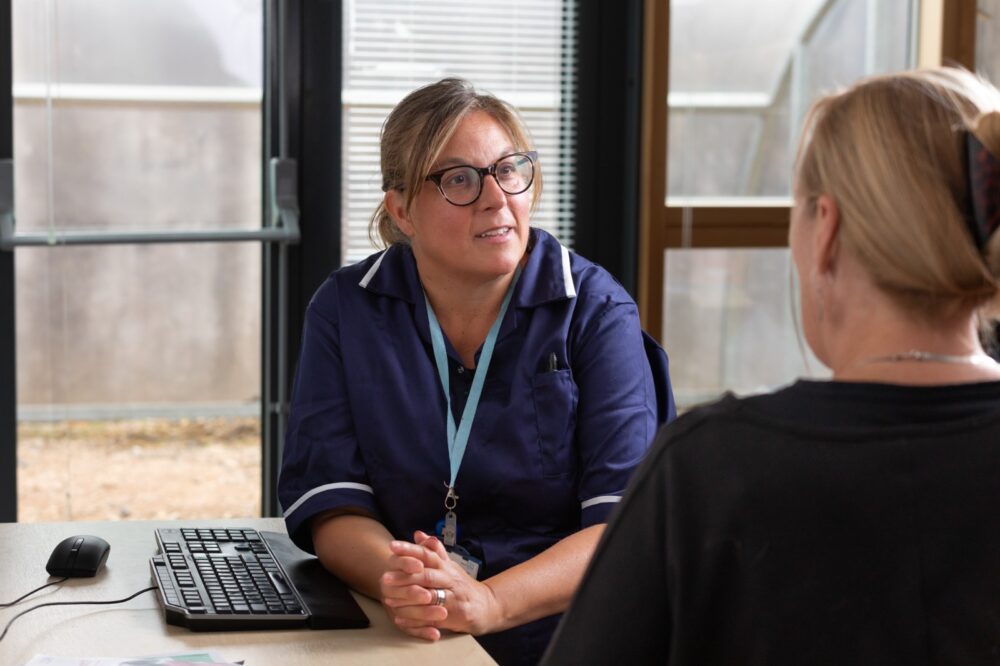

The Integrative Model of Adjustment to Continuous Challenges (IMACC): understanding and supporting biopsychosocial adjustment

By Lis Dreijer Hammond, Aalborg University (DK), Christian Karlsen Hansen & Martin Lehmkuhl Kristensen, Rehabilitation Centre for Refugees, North Jutland Regional Health Services (DK) and Chalotte Glintborg, Aalborg University (DK)

When illness or major negative life events occur, life often does not return to what it was before. For people living with long-term conditions, the challenge is not simply managing symptoms but adjusting to a changed life. When this adjustment process is disrupted, it can contribute to anxiety, depression, poorer physical health outcomes, and increased use of healthcare services. Estimates of how well people adjust to long-term conditions vary widely, depending on how adjustment is measured. Poor adjustment shows estimates between 16.9 and 62%. For good adjustment the estimate ranges from 13 to 36,3%. Globally, more than 1 billion people live with long-term multimorbidity. If up to two-thirds experience adjustment difficulties, there is an urgent need to improve support for adjustment to long-term conditions.

(more…)

Read more

Helping caregivers when patients leave hospital: Practical lessons from co-production

By Kathryn McEwan, Northumbria University, UK

Sarah helped her father pack his belongings; relief mixed with rising anxiety. After five days in hospital following his stroke, he was being discharged. A nurse had briefly mentioned medication changes and follow-up appointments, but Sarah (who would be providing his care at home) hadn’t been part of those conversations. She left with a discharge summary she didn’t fully understand, unclear about warning signs to watch for, and no idea who to call if problems arose. Within 48 hours, her father was readmitted to hospital.

(more…)

Read more

Mind the Gap: Embedding Equity in Everyday Practice

By Amanda O’Connor, Claire Blewitt and Helen Skouteris, Monash University, Melbourne, Australia.

Health equity means that everyone has a fair and just opportunity to achieve good health, regardless of socioeconomic position, ethnicity, gender, or other social conditions. Yet, current global trends show widening health gaps. Differences in life expectancy between countries, often driven by structural weaknesses in health systems, systemic racism and bias, and unequal social, economic, and environmental conditions, can exceed three decades, and inequalities within countries are also increasing between social groups.

These root causes can feel far removed from our daily work. However, health care professionals often work under time pressure, resource constraints, and strict protocols. It may seem that equity is mainly a policy or system-level issue. Nonetheless, equity is also shaped in everyday healthcare encounters, in how services are organised, how communication happens, how decisions are made, and which patients are able to benefit from available care.

Every consultation, care pathway, and service improvement effort functions as a small intervention. Choices about appointment systems, referral routes, patient education materials, digital tools, and follow-up procedures can either reduce or widen gaps. When equity is not considered explicitly, standard procedures often work best for already advantaged groups. When equity is considered from the start, routine care becomes more accessible, more acceptable, and more effective for a wider range of patients.

An equity-centred approach in healthcare begins with intentional reflection and planning. Teams should make their understanding of equity explicit and discuss what fair access and fair outcomes mean in their specific service context. This includes identifying which patient groups are less likely to attend, adhere, or benefit, and examining practical barriers such as language, health literacy, transport, digital access, cost, stigma, or prior negative experiences with healthcare. Planning for equity also means recognising patient and community strengths, not only risks and deficits, and learning from past improvement efforts. For example, access to care for children living with obesity in regional and rural areas may be improved by telemedicine, the expansion of nursing roles in primary care, and community health worker models.

Another core principle is valuing lived experience. Patients are experts in navigating their own conditions and circumstances. Their experiences with services reveal barriers and opportunities that clinical indicators alone cannot show. Healthcare professionals can strengthen equity by creating structured and ongoing ways to hear patient perspectives, through patient partners (i.e., patients or carers who are formally invited to collaborate with staff in service design, evaluation, or governance based on their lived experience), advisory groups, feedback systems, and co-design activities, and by ensuring this input meaningfully influences service delivery and communication approaches. For instance, working with young people with lived experience of mental illness has led to a road map for the youth mental health sector in supporting collaborative service design, implementation, and evaluation of a community-based psychosocial service.

Reflective practice is also essential. Power differences are built into healthcare relationships through professional authority, institutional roles, and knowledge asymmetries. Clinicians and service teams need regular opportunities to reflect on how assumptions, stereotypes, and time pressures shape their judgments and interactions. Structured reflection, team dialogue, and feedback from diverse patients and colleagues help uncover blind spots and reduce the risk that bias influences care decisions. Reflection should be continuous and built into quality improvement routines. This is highlighted in the work we do with early childhood organisations. To support children impacted by trauma effectively, we collaborate across disciplines and sectors and encourage deep and ongoing reflection on what practices and policies are needed to support health and wellbeing equity for these children.

Equity-centred care is strengthened by using appropriate conceptual lenses. Frameworks addressing social determinants of health, intersectionality, structural discrimination, and culturally grounded care help translate equity from an abstract value into practical decisions. These perspectives guide how professionals interpret non-adherence, missed appointments, communication difficulties, and risk behaviours, shifting the focus from “non-compliant patients” to mismatched systems and contexts.

Health inequities are produced by large systems, but they are also reinforced or reduced through the many daily actions in healthcare settings. Putting equity first is therefore not separate from good clinical care; it is part of it.

Practical recommendations

  • Keep your eyes and mind open. Build your understanding of health inequities and their structural drivers. Reflect on your own professional position, assumptions, and possible implicit biases, and consider how these may affect communication, clinical judgment, and expectations of patients. Make short reflective moments part of routine practice and team meetings.
  • Actively seek and listen to diverse patient voices. Go beyond standard satisfaction surveys. Create simple, repeated opportunities to hear from different patient groups, especially. Work especially with those who attend less often or discontinue care to understand the barriers that are preventing their holistic care. Work with patient representatives and community organisations and show clearly how their feedback is highly valued and leads to service adjustments.
  • Think critically about the tools and procedures you use. Clinical pathways, educational materials, digital portals, and behaviour change tools are often designed for highly literate and well-resourced patients. Review whether your materials and processes are understandable, culturally appropriate, and accessible. Adapt language and delivery formats where needed. Familiarize and engage for example with equity frameworks  and theories from the outset.
  • Be prepared to challenge inequitable routines and structures. Notice patterns in who misses appointments, who gets referred, and who benefits least. Raise these observations with your team and ask them and the patients why these inequitable routines might be occurring. Advocate for the needs of these patients as expressed by them. This might involve flexible scheduling, interpreter access, outreach approaches, and resource allocation that supports.
  • Value multiple forms of evidence. Combine clinical guidelines and quantitative indicators with patient stories, frontline staff insights, and community knowledge. Different evidence sources together give a more accurate picture of what works for whom in real-world care.
Read more

Sitting less: Small changes that make a big difference

By Zofia Szczuka, SWPS University, Poland and Deakin University, Australia

Sedentary behaviors: more than just “not being active”

The health benefits of increasing physical activity are widely known. But do we give the same attention to so-called ‘sedentary behaviors’?

Sedentary behaviors are any waking activities we do while sitting or lying down during the day that require very little energy from our bodies. Importantly, sedentary behaviors are NOT the same as low physical activity. You may spend your mornings jogging for 30 minutes each day, yet still spend the rest of the day sitting for prolonged periods at work or at home. This is sometimes described as the “active couch potato” phenomenon, where regular exercise coexists with long hours of sitting. Reducing sedentary behavior and increasing physical activity are complementary goals in current World Health Organization guidelines.

(more…)

Read more

תמיכה בעובדי בריאות בהתמודדות עם היסוס לגבי חיסונים

By Dawn Holford, University of Bristol, UK, Linda Karlsson, University of Turku, Finland, Frederike Taubert, Erfurt University, Germany, Emma C. Anderson, University of Bristol, UK, Virginia C. Gould, University of Bristol, UK

תיקון תפיסות מוטעות בנוגע לחיסונים

חיסונים הם אחד הכלים המוצלחים ביותר בבריאות הציבור – ההערכה היא שהם מצילים כשישה אנשים בכל דקה. אבל חיסונים גם נתקלו בהתנגדות ציבורית, כאשר דיסאינפורמציה מתמשכת מערערת את אמון הציבור בחיסון, ומקשה על עובדי הבריאות העוסקים בחיסונים. איך עובדי הבריאות עומדים בשטף הסיפורים הכוזבים על חיסונים? מה הם יכולים לומר למטופלים המזכירים את הסיפורים האלה כסיבות לא לחסן את עצמם או את ילדיהם?

(more…)

Read more

Rethinking aging to stay active and healthy

By Aïna Chalabaev, Grenoble Alpes University, France

As outlined in a previous post, the health benefits of regular physical activity are well established for people aged 65 and over. Clear guidelines have been set by the World Health Organization on the amount and type of activity associated with health gains. However, older people remain among the most inactive segment of the population worldwide.

(more…)

Read more

MyLifeTool: גישה הוליסטית וממוקדת-אדם לניהול עצמי של מחלות כרוניות

By Dr Stephanie Kılınç, Teesside University, UK and Jo Cole, the Tees Valley, Durham and North Yorkshire Neurological Alliance, UK  

מחלות כרוניות הם אתגר מרכזי עבור מערכות הבריאות ברחבי העולם, בשל שכיחותן הגבוהה והעומס שהן מטילות – כולל השפעתן המשמעותית על שנות חיים מותאמות לנכות. מצבים אלה משפיעים לרעה על איכות החיים הקשורה לבריאות, ומלווים בשיעורים גבוהים יותר של חרדה ודיכאון בהשוואה לאוכלוסייה הכללית. 

MyLifeTool הוא כלי לניהול עצמי עבור אנשים החיים עם כל מחלה כרונית (כגון סוכרת, טרשת נפוצה, כאב כרוני, אסטמה, חרדה, מצבים נוירו-התפתחותיים, פגיעה מוחית נרכשת, ופיברומיאלגיה). הכלי פותח בשיתוף עם אנשים המתמודדים עם מחלות כרוניות, חברי ארגוןNeuro Key ופסיכולוגים מאוניברסיטת טיסייד. הוא מבוסס על מסגרת הניהול העצמי שלנו, הנוקטת גישה לא-הנחייתית וממוקדתאדם. אנשים עם מחלות כרוניות היו בלב התהליך הם היו שותפים לקבלת החלטות בנוגע לאופן שבו יראה הכלי ואף בחרו את שמו. 

הגישה שלנו לניהול עצמי 

אסטרטגיות לניהול עצמי עבור מחלות כרוניות נוטות להתמקד בתוצאות רפואיות ובאסטרטגיות ניהול, ועוסקות יתר על המידה בשינוי התנהגותי, תוך הזנחת ההקשר החברתי והבין-אישי. לעומת זאת, ניהול עצמי של מחלות כרוניות יכול להיתפס כתהליך דינמי ומתמשך, המשתנה בהתאם לנסיבות החיים ולשינויים בתסמינים. לכן, ישנן הצעות לעבור מגישות הנחייתיות לניהול עצמי (instructional self-management) לגישות המאפשרות לאנשים לזהות ולפתח את המשאבים האישיים שלהם לניהול מצבם. בהתאם לכך, אנו רואים בניהול עצמי כמסע למציאת משמעות ותכלית בחיים תהליך אישי ומתמשך המותאם לערכים, מטרות, צרכים, ושינויים במצב הרפואי. ניהול עצמי עוסק באדם לא באבחנה. מסיבה זו, חלק גדול ב-MyLifeTool מוקדש לרפלקציה אישית של האדם על אילו אסטרטגיות ניהול עצמי מתאימות עבורו ואילו לא. 

כיצד MyLifeTool בנוי 

MyLifeTool מורכב מחמש חוברות המכילות פעילויות שונות מהפסיכולוגיה החיובית, המעודדות אנשים לחקור את נקודות החוזק שלהם. מחקרים מצביעים על כך שחיים שיש בהם משמעות ותכלית חשובים לאנשים עם מחלות כרוניות, וקשורים לצמיחה אישית ולתוצאות בריאותיות טובות יותר 

חוברת 1: “אני והמצב שלי”, מתמקדת בזהות עצמית ובתחילת תהליך של ראייה חיובית יותר של עצמך. היא עוסקת בהפחתת ביקורת עצמית ובהבנה שהאדם הוא יותר מהאבחנה שלו. החוברת כוללת פעילויות לעידוד חשיבה על ערכים, זהות, וציפיות מהעצמי. 

חוברת 2: “לקבל את הגוף שלי”, בוחנת אסטרטגיות של תכנון והקצבת אנרגיה, בדומה למה שמקובל בתוכניות ניהול עצמי. הפעילויות מעודדות הקשבה לגוף, זיהוי עומס יתר, ודרכים לוויסות האנרגיה. 

חוברת 3: “ליטול פיקוד, מתמקדת בזיהוי חוזקות, חיזוק החוסן הנפשי וניצול מיטבי של ימים טובים. היא מעודדת לקחת תפקיד פעיל בניהול המצב, ללמוד עליו ולהתאים אותו לחיים האישיים. הפעילויות כוללות קביעת מטרות וזיהוי חוזקות. 

חוברת 4: “להתחבר לאחרים”, מכירה בחשיבות של קבלת תמיכה, כמו גם ביתרונות של מתן תמיכה לאחרים, שכן שניהם יכולים לשפר את תחושת המשמעות והתכלית בחיים. הפעילויות עוסקות בהבעת צרכים מול משפחה, חברים, אנשי מקצוע ורופאים. 

חוברת 5: “מה חשוב לי באמת, עוסקת בזיהוי מקורות לתחושת מטרה ומשמעות בחיים, ובמציאת זמן לעצמך. אנשים מוצאים משמעות במגוון דרכים: בעשייה, באתגרים, או בכך שיש סיבה לקום מהמיטה בבוקר. 

יומן רפלקטיבי – “הסקראפבוק 

כדי לתמוך ברפלקציה אישית,  MyLifeToolכולל גם “סקראפבוק” – מרחב יצירתי שיכול לעזור לאנשים לחשוב על החוויות, המטרות וההישגים שלהם. הוא פתוח ואינו מובנה, כך שכל אחד יכול להשתמש בטכניקות שונות של פעילות יצירתית שמתאימות להם, או שהם יכולים להשתמש בו כיומן אם הם מעדיפים. גישות יצירתיות כמו זו יכולות לאפשר לאנשים לחקור את חוויותיהם לעומק ולחשוב על משמעותן בדרכים אותנטיות יותר. 

MyLifeTool נמצא בשימוש של ארגונים התנדבותיים ומומחי בריאות הנפש בבריטניה. הוא זמין בחינם באינטרנט עבור אנשים עם מחלות כרוניות, לשימוש עצמי או עבור מטפלים לשימוש עם מטופלים/לקוחות. 

הערכה של MyLifeTool 

אנשים שהשתמשו ב-MyLifeTool במשך 12 שבועות דיווחו על שיפור בניהול העצמי של המחלה, בצמיחה אישית, ובהשלמה עם החיים עם מצב כרוני. מדדים של רווחה נפשית שנמדדו לפני ואחרי השימוש בכלי הראו שיפור במסוגלות העצמית, בתחושת השליטה וביכולת הוויסות. 

המלצות מעשיות 

ראו את האדם כולו, לא רק את האבחנה: מחלות כרוניות משפיעות על כל תחומי החיים. חשוב לעודד את האדם לחשוב איך מצבו משתלב בחייו, תוך התחשבות בשינויים פוטנציאליים במצבם, בנסיבות חייהם, בצרכיהם ובמטרותיהם העתידיות. 

ניהול עצמי הוא תהליך מתמשך: אי אפשר ללמוד לנהל מצב כרוני עלידי השתתפות בקורס קצר. מחלות כרוניות הן באופן פוטנציאלי לכל החיים, והתסמינים וההשפעה שלהן יכולים להשתנות. עידוד אנשים לחשוב על הניהול העצמי שלהם יכול לתמוך בהם להסתגל לשינויים בנסיבות חייהם ובמצבם לטווח ארוך. 

משמעות ותכלית: תמכו באנשים עם מחלות כרוניות בחקירה של מה נותן משמעות לחיים. 

התמקדות בחוזקות: משתמשים ב-MyLifeTool הביעו הערכה לכך שהכלי מתמקד במה שאנשים עם מחלות כרוניות יכולים לעשות, ולא במה שהם לא יכולים לעשות. 


Translated by Prof. Gabriel Nudelman 

The Academic College of Tel Aviv-Yaffo, Israel 

Read more

מעל המים: חשיבה מחודשת על מניעת טביעה בכל הרמות

By Kyra Hamilton, Griffith University, Australia and Amy Peden, University of New South Wales, Australia

טביעה היא גורם מוביל – אך ברובו בר מניעה – למוות ולפציעות, שעדיין אינו מוכר מספיק. מיתוס נפוץ אחד הוא שטביעה תמיד מסתיימת במוות, אבל זה לא נכון. ההגדרה של טביעה עודכנה כדי להבהיר שמדובר בתהליך, לא בתוצאה. תוצאות תהליך הטביעה עשויות להיות מוות (טביעה קטלנית), או הישרדות – עם או בלי פגיעות נמשכות, כגון שיתוק מוחין והפרעות נוירולוגיות אחרות הנגרמות כתוצאה ממחסור בחמצן למוח (טביעה לא קטלנית). מונחים כמו “טביעה יבשה”, “טביעה משנית” או “כמעט טביעה”, נפוצים בתקשורת, אך הם מיושנים ולא מדויקים מבחינה רפואית, אז הגיע הזמן להפסיק להשתמש בהם.

(more…)

Read more

קשה להיפטר מהרגלים ישנים: כיצד לשבש הרגלים לא רצויים

By Annabel Stone and Phillippa Lally, University of Surrey, UK

תחילת השנה החדשה היא לרוב זמן שבו אנו שואפים לשינוי, נחושים לפתח הרגלים חדשים ולהשאיר מאחור את ההרגלים הרעים, עם צלצול פעמוני חצות. אנו מנערים את נעלי הריצה מהאבק, ממלאים את עגלת הקניות בפירות וירקות טריים… מי מאיתנו לא חשב/ה לעצמו/ה: “שנה חדשה, אני חדש/ה”? אך חודש לאחר מכן, למה נעלי הריצה שלנו ראו את אור היום רק פעמיים, והפירות הטריים כבר מתחילים להתקלקל? נראה שההרגלים הרעים שלנו ליוו אותנו גם לשנה החדשה.

(more…)

Read more