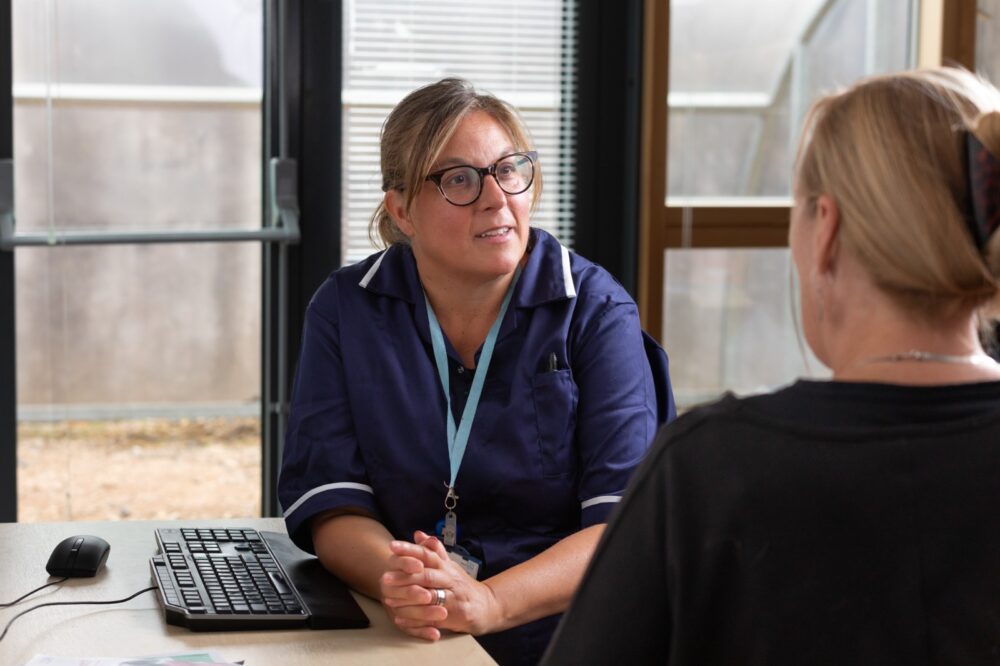

Mind the Gap: Embedding Equity in Everyday Practice

By Amanda O’Connor, Claire Blewitt and Helen Skouteris, Monash University, Melbourne, Australia.

Health equity means that everyone has a fair and just opportunity to achieve good health, regardless of socioeconomic position, ethnicity, gender, or other social conditions. Yet, current global trends show widening health gaps. Differences in life expectancy between countries, often driven by structural weaknesses in health systems, systemic racism and bias, and unequal social, economic, and environmental conditions, can exceed three decades, and inequalities within countries are also increasing between social groups.

These root causes can feel far removed from our daily work. However, health care professionals often work under time pressure, resource constraints, and strict protocols. It may seem that equity is mainly a policy or system-level issue. Nonetheless, equity is also shaped in everyday healthcare encounters, in how services are organised, how communication happens, how decisions are made, and which patients are able to benefit from available care.

Every consultation, care pathway, and service improvement effort functions as a small intervention. Choices about appointment systems, referral routes, patient education materials, digital tools, and follow-up procedures can either reduce or widen gaps. When equity is not considered explicitly, standard procedures often work best for already advantaged groups. When equity is considered from the start, routine care becomes more accessible, more acceptable, and more effective for a wider range of patients.

An equity-centred approach in healthcare begins with intentional reflection and planning. Teams should make their understanding of equity explicit and discuss what fair access and fair outcomes mean in their specific service context. This includes identifying which patient groups are less likely to attend, adhere, or benefit, and examining practical barriers such as language, health literacy, transport, digital access, cost, stigma, or prior negative experiences with healthcare. Planning for equity also means recognising patient and community strengths, not only risks and deficits, and learning from past improvement efforts. For example, access to care for children living with obesity in regional and rural areas may be improved by telemedicine, the expansion of nursing roles in primary care, and community health worker models.

Another core principle is valuing lived experience. Patients are experts in navigating their own conditions and circumstances. Their experiences with services reveal barriers and opportunities that clinical indicators alone cannot show. Healthcare professionals can strengthen equity by creating structured and ongoing ways to hear patient perspectives, through patient partners (i.e., patients or carers who are formally invited to collaborate with staff in service design, evaluation, or governance based on their lived experience), advisory groups, feedback systems, and co-design activities, and by ensuring this input meaningfully influences service delivery and communication approaches. For instance, working with young people with lived experience of mental illness has led to a road map for the youth mental health sector in supporting collaborative service design, implementation, and evaluation of a community-based psychosocial service.

Reflective practice is also essential. Power differences are built into healthcare relationships through professional authority, institutional roles, and knowledge asymmetries. Clinicians and service teams need regular opportunities to reflect on how assumptions, stereotypes, and time pressures shape their judgments and interactions. Structured reflection, team dialogue, and feedback from diverse patients and colleagues help uncover blind spots and reduce the risk that bias influences care decisions. Reflection should be continuous and built into quality improvement routines. This is highlighted in the work we do with early childhood organisations. To support children impacted by trauma effectively, we collaborate across disciplines and sectors and encourage deep and ongoing reflection on what practices and policies are needed to support health and wellbeing equity for these children.

Equity-centred care is strengthened by using appropriate conceptual lenses. Frameworks addressing social determinants of health, intersectionality, structural discrimination, and culturally grounded care help translate equity from an abstract value into practical decisions. These perspectives guide how professionals interpret non-adherence, missed appointments, communication difficulties, and risk behaviours, shifting the focus from “non-compliant patients” to mismatched systems and contexts.

Health inequities are produced by large systems, but they are also reinforced or reduced through the many daily actions in healthcare settings. Putting equity first is therefore not separate from good clinical care; it is part of it.

Practical recommendations

  • Keep your eyes and mind open. Build your understanding of health inequities and their structural drivers. Reflect on your own professional position, assumptions, and possible implicit biases, and consider how these may affect communication, clinical judgment, and expectations of patients. Make short reflective moments part of routine practice and team meetings.
  • Actively seek and listen to diverse patient voices. Go beyond standard satisfaction surveys. Create simple, repeated opportunities to hear from different patient groups, especially. Work especially with those who attend less often or discontinue care to understand the barriers that are preventing their holistic care. Work with patient representatives and community organisations and show clearly how their feedback is highly valued and leads to service adjustments.
  • Think critically about the tools and procedures you use. Clinical pathways, educational materials, digital portals, and behaviour change tools are often designed for highly literate and well-resourced patients. Review whether your materials and processes are understandable, culturally appropriate, and accessible. Adapt language and delivery formats where needed. Familiarize and engage for example with equity frameworks  and theories from the outset.
  • Be prepared to challenge inequitable routines and structures. Notice patterns in who misses appointments, who gets referred, and who benefits least. Raise these observations with your team and ask them and the patients why these inequitable routines might be occurring. Advocate for the needs of these patients as expressed by them. This might involve flexible scheduling, interpreter access, outreach approaches, and resource allocation that supports.
  • Value multiple forms of evidence. Combine clinical guidelines and quantitative indicators with patient stories, frontline staff insights, and community knowledge. Different evidence sources together give a more accurate picture of what works for whom in real-world care.
Read more

At ændre holdninger til at ændre adfærd

Theresa Marteau, University of Cambridge, Storbritannien

Mange af os kæmper med at spise sundere, drikke mindre alkohol, holde op med at ryge eller gå i stedet for at køre. Det gælder, selv når vi ved, at disse ændringer vil gavne både vores helbred og planeten. Det gælder også psykologer og adfærdsforskere såvel som de mennesker, vi forsøger at hjælpe.

Denne kamp er ikke et tegn på manglende viljestyrke. Problemet er, at vi konsekvent undervurderer, hvor meget vores daglige omgivelser former vores adfærd, og overvurderer styrken af vores værdier og intentioner.

Hvorfor viden ikke er nok

Overvej personlige sundhedsforudsigelser. Man kunne tro, at hvis man fortæller nogen deres præcise risiko for at udvikle type 2-diabetes eller hjertesygdom, så vil det motivere til forandring. Evidensen viser noget andet. Fem systematiske litteraturgennemgang, som inkluderer snesevis af randomiserede kontrollerede forsøg, viser, at det at give mennesker personlige risikovurderinger – herunder genetiske risikoscorer – har lille eller ingen effekt på deres adfærd. Niveauer af fysisk aktivitet, rygning, alkoholforbrug og usund kost forbliver uændrede.

Tilsvarende har klimaforskere detaljeret viden om klimaforandringer, men flyver ofte lige så meget som andre akademikere. Viden alene fører sjældent til vedvarende adfærdsændringer.

Det handler om omgivelserne

Dobbeltprocesmodeller (‘Dual Process Models’) fra adfærdsvidenskaben hjælper med at forklare dette. Vores adfærd reguleres af to samspillende systemer. Det ene er langsomt, refleksivt og målrettet. Vi bruger det til at læse, lære nye færdigheder og modstå fristelser. Det andet er hurtigt, automatisk og styret af signaler – når vi ser kage, tager vi et stykke. Når vores begrænsede refleksive kapacitet er fuldt optaget, reagerer vores automatiske system direkte på miljømæssige signaler. Derfor er det ofte mere effektivt at ændre signalerne omkring os end at forsøge at ændre, hvad der foregår i vores hoveder.

De mest kraftfulde miljømæssige signaler falder under de tre A’er: overkommelighed (affordability), tilgængelighed (availability) og appel (appeal).

Overkommelighed: Prisændringer ændrer adfærd

At hæve tobakspriser er den mest effektive enkeltstående politik til at reducere rygning. En prisstigning på 10 % reducerer tobaksforbrug med omkring 4 %. Sodavandsafgifter reducerer forbruget af sukkerholdige drikke. Forbruget af frugt og grønt stiger med subsidier, der sænker deres pris.

Tilgængelighed: Det, der er let at få fat i, bliver valgt

I et studie med 20.000 ansatte på tværs af 19 arbejdspladscafeterier øgede mit forskerteam andelen af frokoster med færre kalorier og reducerede portionsstørrelserne af mere kalorierige måltider. Resultatet? Medarbejderne købte 11,5 % færre kalorier, efterhånden som sundere muligheder blev lettere at vælge.

Appel: Reklame virker

At stoppe reklamer og sponsorater fra tobaks-, alkohol– og usund fødevareindustri  reducerer produkternes appel og køb. Lignende effekter forventes for fossile brændsler. Tydelige advarselsmærker og fjernelse af branding fra produkter reducerer også deres appel. Mærkater på alkohol i Yukon, Canada, som tydeligt advarede om kræftrisiko ved alkohol, reducerede alkoholsalget med omkring 6 %. Standardiseret indpakning af tobak gør advarselsmærker mere synlige.

Hvorfor regulering er vigtig

De fleste indsatser, der ændrer signalerne i vores daglige omgivelser for at ændre adfærd, kræver regulering, fordi de kolliderer med kommercielle interesser. Fire industrier – tobak, alkohol, usunde fødevarer og fossile brændsler – producerer varer, der forårsager mindst én ud af fire dødsfald globalt hvert år, og størstedelen af drivhusgasudledningerne, som opvarmer klimaet.

Alligevel er informationskampagner og frivillig selvregulering i industrien fortsat de foretrukne tilgange. Disse industrier fremmer aktivt denne præference gennem lobbyisme, finansiering af forskning der sår tvivl om regulering, og ved at fremstille statslig indgriben som en begrænsning af friheden.

Hvad der skal ændres

Vi er nødt til at beskytte evidens og politiske beslutningsprocesser mod virksomheders indflydelse. Tobakskontrol giver en model. Lande, der har vedtaget artikel 5.3 i den internationale traktat om tobakskontrol, har beskyttet politiske processer mod industripåvirkning, implementeret flere evidensbaserede politikker og har lavere rygerater. Vi bør udvide denne beskyttelse til at omfatte alle virksomheder, der producerer produkter, som skader vores sundhed og ødelægger vores planet. Borgerforsamlinger  og andre former for deliberativt demokrati, hvor borgere arbejder sammen med lokale eller nationale regeringer, viser også stort potentiale – både for at øge borgernes indflydelse på politiske beslutninger og for at styrke evidensens rolle.

Praktiske anbefalinger

For sundhedsprofessionelle

1. Start med omgivelserne, ikke med undervisning.

Når du arbejder med klienter eller patienter, så identificér de miljømæssige signaler, der udløser uønsket adfærd. I stedet for udelukkende at fokusere på motivation eller viden, så hjælp mennesker med at redesigne deres nærmeste omgivelser. For eksempel:

hold frugt synligt og forarbejdede snacks ude af syne; placer cykler i gangarealer i stedet for i kælderen; brug mindre tallerkener og glas.

2. Arbejd for ændringer på arbejdspladsen.

Samarbejd med din institution om at øge tilgængeligheden og reducere prisen på sundere muligheder i kantiner. Enkle ændringer, som at gøre plantebaserede måltider til standardvalg med mulighed for nemt fravalg, kan flytte adfærd markant.

For folkesundhedsgrupper

3. Gør det usynlige synligt.

Brug jeres platforme til at kommunikere, hvordan omgivelser former adfærd. Udfordr den dominerende fortælling om, at adfærdsændringer primært handler om individuel viljestyrke eller viden. Evidensen viser, at det i høj grad handler om at ændre kontekster – ikke kun tankesæt.

4. Inddrag beslutningstagere.

Identificér huller mellem evidens og politik, både lokalt og nationalt. Skriv til beslutningstagere med konkrete anbefalinger baseret på evidens. Mange er modtagelige for ekspertinput, især når det indeholder praktiske løsninger. Mit brev til en britisk sundhedsminister førte for eksempel til en evidenssyntese om at ændre adfærd for at øge sund levetid.

5. Opbyg koalitioner for regulering.

Samarbejd med organisationer, der arbejder for evidensbaserede politikker om tobak, alkohol, fødevarer og transport. Fælles fortalervirksomhed er afgørende for at modvirke industriens indflydelse. Se efter muligheder for at levere evidensopsummeringer, der støtter stærkere regulering – på samme måde som tobaksregulering lykkedes gennem koordineret ekspertengagement med beslutningstagere.

Read more

Sid mindre: Små ændringer, der gør en stor forskel

Af Zofia Szczuka, SWPS University, Polen og Deakin University, Australien

Stillesiddende adfærd: mere end bare “ikke at være aktiv”

De sundhedsmæssige fordele ved at være fysisk aktiv er velkendte. Men giver vi lige så meget opmærksomhed til det, man kalder stillesiddende adfærd?

Stillesiddende adfærd er alle de vågne aktiviteter i løbet af dagen, hvor vi sidder eller ligger ned og bruger meget lidt energi fra vores kroppe – for eksempel ved skrivebordet, foran fjernsynet eller på mobilen. Det er vigtigt at forstå, at stillesiddende adfærd ikke er det samme som lav fysisk aktivitet. Du kan sagtens jogge 30 minutter hver morgen og alligevel sidde ned det meste af resten af dagen på arbejde eller derhjemme.

(more…)

Read more

Støtte til sundhedsarbejdere i håndtering af vaccine­tøven

Af Dawn Holford, University of Bristol, UK, Linda Karlsson, University of Turku, Finland, Frederike Taubert, Erfurt University, Germany, Emma C. Anderson, University of Bristol, UK, Virginia C. Gould, University of Bristol, UK

At rette misforståelser om vaccination

Vaccination er et af de mest succesfulde folkesundhedsværktøjer — man anslår, at vacciner redder 6 liv hvert minut. Men vacciner møder også modstand, og udbredt misinformation undergraver tilliden og giver sundhedsarbejdere store udfordringer. Hvordan kan sundhedsarbejdere følge med strømmen af falske fortællinger om vacciner? Og hvad kan de sige til patienter, som henviser til disse fortællinger som grund til ikke at lade sig selv eller deres børn vaccinere?

(more…)

Read more

Nytænkning af aldring – for at forblive aktiv og sund

Af Aïna Chalabaev, Grenoble Alpes Universitet, Frankrig

Som nævnt i et tidligere indlæg, er de sundhedsmæssige fordele ved regelmæssig fysisk aktivitet veldokumenterede for personer på 65 år og derover. Verdenssundhedsorganisationen (WHO) har udarbejdet klare retningslinjer for, hvor meget og hvilken type motion der giver sundhedsgevinster. Alligevel er ældre mennesker stadig blandt de mest fysisk inaktive grupper i verden.

(more…)

Read more

MyLifeTool: A person-centred, holistic approach to the self-management of long-term conditions

By Dr Stephanie Kılınç, Teesside University, UK and Jo Cole, the Tees Valley, Durham and North Yorkshire Neurological Alliance, UK 

Long-term conditions are a major concern for global health care systems given their high prevalence and disease burden, including their significant impact on disability-adjusted life years.  They also have a significant negative impact on health-related quality of life and are associated with higher rates of anxiety and depression than the general population.

MyLifeTool is a self-management tool for people living with any long-term condition (e.g. diabetes, multiple sclerosis, chronic pain, asthma, anxiety, neurodevelopmental conditions, Acquired Brain Injury, Fibromyalgia).  It was developed in partnership with people with long-term conditions, members of Neuro Key and psychologists from Teesside University.  It is underpinned by our self-management framework which takes a person-centred, non-instructive perspective on self-management.  People with long-term conditions were at the heart of the project, forging the decisions on what MyLifeTool would become and choosing the name. (more…)

Read more

Above Water: Rethinking Drowning Prevention at All Levels

By Kyra Hamilton, Griffith University, Australia and Amy Peden, University of New South Wales, Australia

Drowning is a leading, yet largely preventable, cause of death and injury that remains underrecognized. One common myth: drowning isn’t always fatal. The definition of drowning was revised to clarify that drowning is a process, not an outcome. The outcomes of the drowning process can be death (fatal drowning) or survival with or without persisting injury such as cerebral palsy and other neurological disorders caused by a lack of oxygen to the brain (non-fatal drowning). Terms like “dry drowning”, “secondary drowning”, or “near-drowning” are often used in the media, but they’re outdated and medically inaccurate, so it’s time to stop using them.  (more…)

Read more

Old habits die hard: Disrupting unwanted habitual behaviour

By Annabel Stone and Phillippa Lally, University of Surrey, UK

The New Year is often a time where we aim for change, determined to form new habits and to leave our bad habits behind as the clock strikes midnight. Dusting off our running trainers, filling our shopping trollies with fresh fruit and veg… who hasn’t thought “New Year, New Me”? But a month down the line, why is it our trainers have only seen daylight twice, and that fresh fruit is starting to fur? It seems our bad habits have followed us into the New Year (more…)

Read more

Making Every Health Care Consultation Count: Promoting physical activity in health care settings

By Amanda Daley, Loughborough University, UK

In the United Kingdom and Ireland, the Making Every Contact Count initiative aims to use the thousands of consultations that take place every day between health professionals and patients, to promote healthy behavioural changes.  Specifically, Making Every Contact Count aims to enable and encourage health professionals to capitalise on naturally occurring opportunities in routine practice to deliver brief health behaviour change interventions to patients. The success of approaches such as Making Every Contact Count are dependent on health professionals being willing to have these conversations in consultations every day.  Making Every Contact Count is for everyone, and it is not restricted to specific health professionals, health services or patients.  For these reasons, Making Every Contact Count may reduce health inequalities because the idea is that an inclusive approach is taken whereby all patients receive this support within consultations.

(more…)

Read more

What if it comes back? The question that is on the minds of those who experienced cancer treatment and their loved ones

By Gozde Ozakinci, University of Stirling 

Cancer is very much associated with scary statistics. For instance, like the one ‘1 in 2 people will develop some form of cancer in their lifetime’.  But there are encouraging developments too that suggests that cancer survival rates are improving.  The last count in 2018 suggests that there are nearly 44 million people who survived the cancer diagnosis and treatment in the world. This is welcome news to those who have experienced cancer diagnosis and treatment. 

The improvement in survival rates also means that more and more people live with the consequences of cancer treatment. One of these consequences is experiencing fears about cancer coming back. In the literature, it is defined as “fear, worry, or concern relating to the possibility that cancer will come back or progress” and recognised widely as one of the most significant issues that impact on the quality of life of those living after a cancer diagnosis.  (more…)

Read more