
Witamy
COVID-19 stanowi wciąż poważne zagrożenie dla starszych dorosłych i pacjentów z chorobami przewlekłymi. Wczesne rozpoznanie, diagnoza i sprawne wdrożenie leczenia mogą znacząco poprawić rokowania, jednak wielu pacjentów kwalifikujących się do leczenia wciąż traci szansę na wczesną interwencję.
Ten bezpłatny kurs e-learningowy, który zrealizujesz we własnym tempie, powstał z myślą o zapracowanym personelu medycznym. W ramach pięciu krótkich modułów (10–15 minut każdy) poznasz praktyczne, oparte na dowodach naukowych strategie, które pozwolą podnieść jakość opieki nad pacjentami z grupy wysokiego ryzyka ciężkiego przebiegu COVID-19.
Program opracowany przez międzynarodowy zespół klinicystów, badaczy i ekspertów w zakresie nauk o zachowaniu łączy aktualną wiedzę medyczną z narzędziami behawioralnymi. Kurs wspiera skuteczną komunikację, pomaga adresować opór i obawy pacjentów przed leczeniem oraz uczy zindywidualizowanej, skoncentrowanej na pacjencie opieki, z uwzględnieniem wrażliwości kulturowej.
Zanim rozpoczniesz, prosimy o wypełnienie krótkiego testu wstępnego za pomocą poniższego przycisku. Po ukończeniu wszystkich pięciu modułów przejdź do testu końcowego – pomoże nam ona ocenić kurs i udoskonalić przyszłe szkolenia, a Tobie umożliwi pobranie certyfikatu ukończenia. Wypełnienie obu testów zajmuje zaledwie kilka minut.
Każdy moduł zawiera praktyczne przykłady oraz materiały do pobrania, które ułatwiają przyswajanie wiedzy i wdrażanie nowych umiejętności w codziennej praktyce klinicznej.
Dlaczego warto ukończyć ten kurs?
Ten kurs pozwala zdobyć praktyczne umiejętności wykraczające poza kontekst samego COVID-19, dzięki czemu znajduje szerokie zastosowanie w leczeniu wielu innych chorób oraz w pracy z różnymi grupami pacjentów wysokiego ryzyka.
1. Stratyfikacja ryzyka i wczesna interwencja
Nauczysz się sprawnie identyfikować pacjentów z grup wysokiego ryzyka, oceniać, czy kwalifikują się do leczenia oraz priorytetyzować szybkie działania.
Umiejętności te znajdują bezpośrednie zastosowanie w przypadku innych chorób zakaźnych (np. grypy, RSV) oraz schorzeń przewlekłych, w których wczesne wykrycie znacząco poprawia rokowania.
2. Nauki o zachowaniu i angażowanie pacjenta
Poznasz techniki zmiany zachowań, które pomogą Ci adresować wahanie pacjentów, ich błędne przekonania czy niestosowanie się do zaleceń terapeutycznych.
Rozwiniesz umiejętności komunikacji wrażliwej kulturowo i językowo, przydatne w codziennej pracy klinicznej.
3. Schematy podejmowania decyzji klinicznych
Praca na konkretnych przykładach klinicznych pozwoli Ci wypracować ustrukturyzowany proces wnioskowania oraz podejmowania decyzji w oparciu o aktualne wytyczne.
Podejście to można łatwo przenieść na postępowanie w innych schorzeniach, takich jak migotanie przedsionków, cukrzyca czy zaostrzenia POChP.
4. Forma cyfrowa i mikrolearning (krótkie moduły)
Modułowa formuła do realizacji we własnym tempie – zawierająca interaktywne scenariusze kliniczne online oraz praktyczne narzędzia – można ją zaadaptować do innych jednostek chorobowych lub w innych inicjatywach rozwoju zawodowego.
5. Ewaluacja i praktyka refleksyjna
Testy wiedzy przed szkoleniem i po nim wspierają autorefleksję oraz ciągłe uczenie się, co stanowi uniwersalny mechanizm w programach edukacji medycznej.
Moduły

Czy pacjenci z grupy wysokiego ryzyka są rozpoznawani na czas? Wczesna identyfikacja COVID-19 w praktyce klinicznej
Autorzy: Astin Sokang (Universitas Kristen Krida Wacana, Indonezja); Triana Kesuma Dewi (Universitas Airlangga, Indonezja); Yuhang Zhu (Shandong Second Medical University, Chiny); Gill ten Hoor (Maastricht University, Holandia) U wielu osób dorosłych COVID-19 ma…

Szybkie działanie, lepsze wyniki: znaczenie wczesnej interwencji w COVID-19 u pacjentów z grupy wysokiego ryzyka
Autorzy: İrem Berna Güvenç Erdoğan (Middle East Technical University, Turcja); Iga Palacz-Poborczyk (SWPS University, Polska); Olga Perski (Stockholm University, Szwecja); Sheson Tiwari (Psyfolks Education, Indie); Belgin Ünal (University of Michigan, USA) Przebieg…
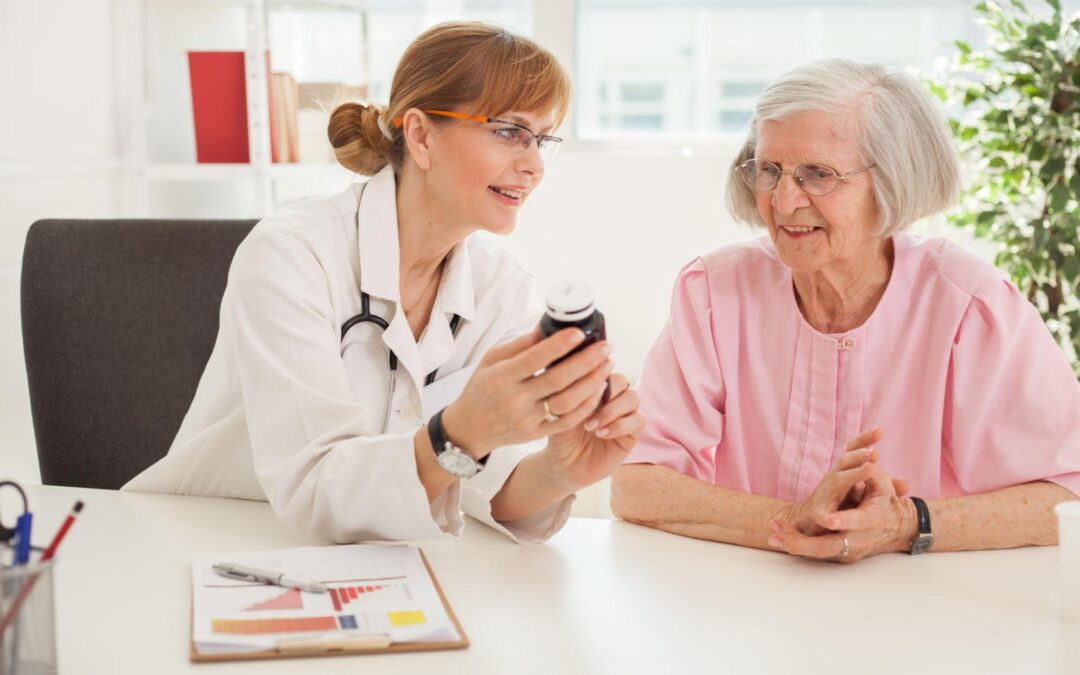
Zapobieganie powikłaniom COVID-19 u pacjentów z grupy wysokiego ryzyka poprzez zmianę zachowania
Autorzy: David Simons (Pennsylvania State University, USA); Ayşegül Bakır (Hacettepe University, Turcja); Johanna Nurmi (University of Helsinki, Finlandia) COVID-19 bywa zwykle opisywany w czasie przeszłym i wyłącznie jako infekcja układu oddechowego. Tymczasem…

Życie po COVID-19: Jak zarządzać długofalowymi skutkami zdrowotnymi?
Autorki: Dominika Kwasnicka (University of Melbourne) oraz Rizmina Rilwan (niezależna badaczka, Sri Lanka) Pacjent po ostrej fazie COVID-19. Czego wciąż się uczymy? Ostra faza pandemii już za nami, ale w gabinetach lekarskich coraz częściej widzimy jej długofalowe…

Jak nauki o zachowaniu mogą wesprzeć diagnozę i leczenie COVID-19 w grupach wysokiego ryzyka
Autorki: Tracy Epton (Uniwersytet w Manchesterze, Wielka Brytania), Lisa Marie Warner (Szkoła Medyczna MSB w Berlinie, Niemcy) oraz Aleksandra Lazic (niezależna badaczka z Belgradu, Serbia) Praca z pacjentami z grup wysokiego ryzyka w kontekście COVID-19 może…