
Välkommen
Covid-19 utgör fortfarande en betydande risk för äldre vuxna och personer med kroniska sjukdomar. Tidig identifiering, diagnostik och behandling kan avsevärt förbättra patienternas utfall, men många patienter som är berättigade till behandling missar fortfarande möjligheten till tidiga insatser.
Denna kostnadsfria, självstudiebaserade kurs har utformats för upptagen vårdpersonal. Genom fem korta moduler (10–15 minuter vardera) får du ta del av praktiska och evidensbaserade strategier för att förbättra vården av patienter med hög risk för svår Covid-19.
Kursen har utvecklats av ett internationellt team av kliniker, beteendevetare och forskare. Den kombinerar aktuell klinisk evidens med beteendevetenskapliga verktyg för att stödja effektiv kommunikation, hantera behandlingsrelaterad tveksamhet och främja kulturellt anpassad, personcentrerad vård.
Innan du börjar ber vi dig att genomföra det korta förtestet via knappen nedan. Efter att du har slutfört alla fem moduler ber vi dig att genomföra ett eftertest för att hjälpa oss att utvärdera kursen, förbättra framtida utbildningar och ladda ner ditt kursintyg. Båda bedömningarna tar bara några minuter att genomföra.
Varje modul innehåller praktiska exempel och nedladdningsbara resurser som stöd för lärande och implementering i klinisk praxis.
Varför ska jag göra den här utbildningen?
Den här kursen ger vårdpersonal praktiska färdigheter som sträcker sig bortom Covid-19, vilket gör den mycket relevant för ett brett spektrum av sjukdomar och patientgrupper med förhöjd risk.
1. Riskstratifiering och tidig intervention
Lär dig att identifiera patienter med hög risk, bedöma behandlingsberättigande och prioritera tidiga insatser.
Dessa färdigheter är direkt tillämpbara även vid andra infektionssjukdomar (till exempel influensa och RSV) samt kroniska tillstånd där tidig upptäckt förbättrar resultaten.
2. Beteendevetenskap och patientengagemang
Använd beteendeförändringstekniker för att hantera patienters tveksamhet, missuppfattningar eller bristande följsamhet till behandling.
Utveckla färdigheter i kulturellt och språkligt anpassad kommunikation som är användbara i alla kliniska sammanhang.
3. Ramverk för kliniskt beslutsfattande
Arbeta med fallbaserade scenarier för att utveckla strukturerat kliniskt resonemang och riktlinjebaserat beslutsfattande.
Dessa arbetssätt kan överföras till hantering av tillstånd såsom förmaksflimmer, diabetes och exacerbationer av KOL.
4. Digitalt lärande och mikrolärande
Det modulbaserade och självstyrda formatet, inklusive digitala fallstudier och praktiska verktyg, kan anpassas till andra sjukdomsområden eller professionella utvecklingsinsatser.
5. Utvärdering och reflekterande praktik
För- och eftertest stödjer självreflektion och kontinuerligt lärande, vilket är tillämpbart inom alla kliniska områden och utbildningsprogram.
Moduler
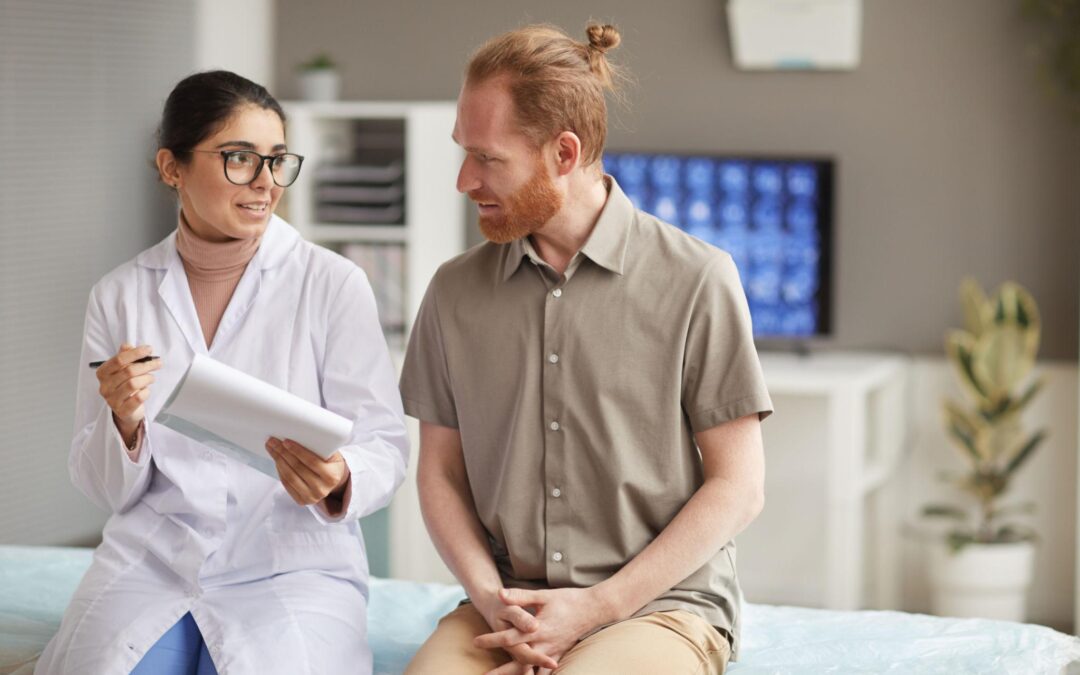
Missas högriskpatienter med COVID-19? Förbättrad tidig identifiering i klinisk praxis
Av Astin Sokang, Universitas Kristen Krida Wacana, Indonesien; Triana Kesuma Dewi, Universitas Airlangga, Indonesien; Yuhang Zhu, Shandong Second Medical University, Kina; Gill ten Hoor, Maastricht University, Nederländerna För många vuxna orsakar COVID-19 endast mild…
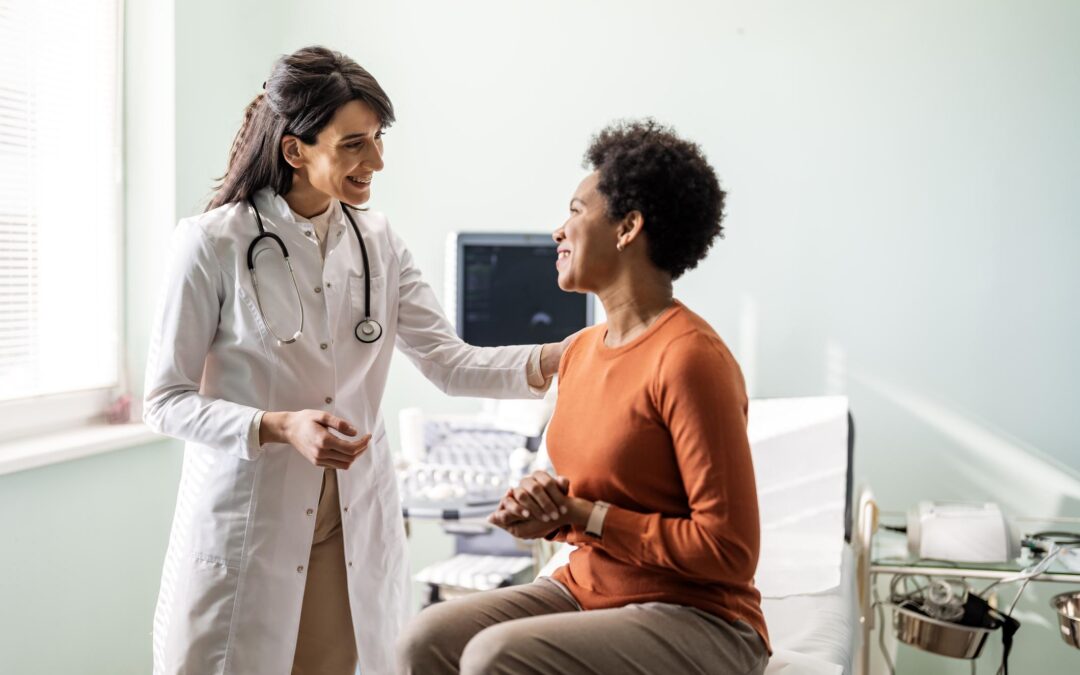
Tidiga insatser, bättre resultat: Betydelsen av tidig COVID-19-intervention hos högriskpatienter
Av İrem Berna Güvenç Erdoğan, Middle East Technical University, Turkiet; Iga Palacz-Poborczyk, SWPS University, Polen; Olga Perski, Stockholms universitet, Sverige; Sheson Tiwari, Psyfolks Education, Indien; Belgin Ünal, University of Michigan, USA COVID-19-förloppet…
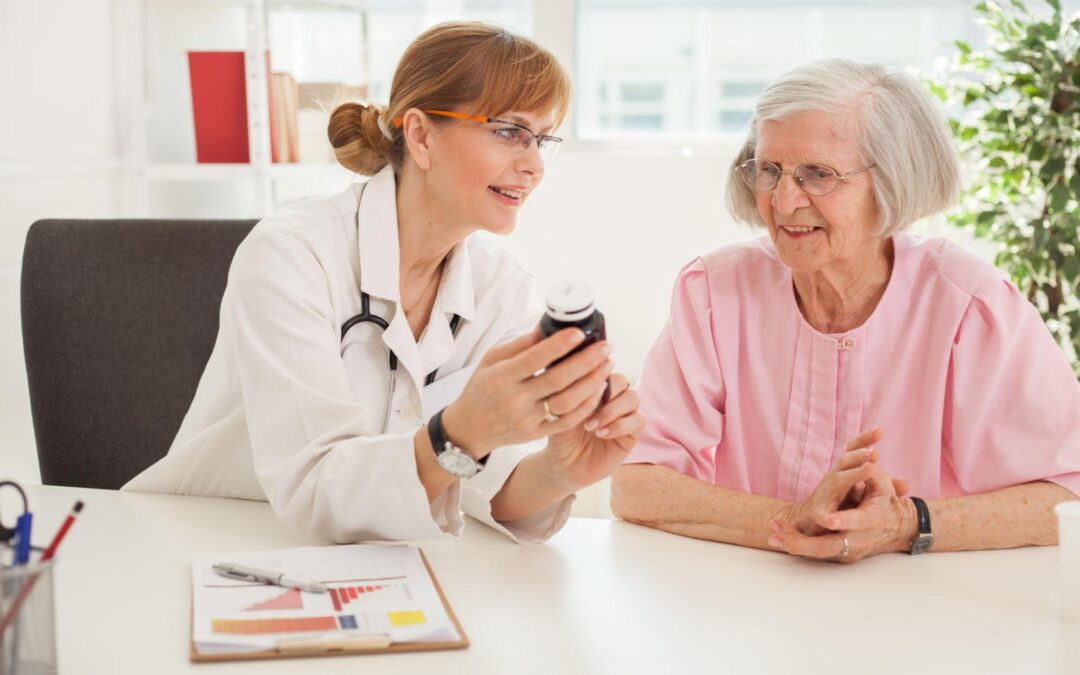
Förebygga COVID-19-komplikationer hos högriskpatienter genom beteendeförändring
Av David Simons, Pennsylvania State University; Ayşegül Bakır, Hacettepe University, Turkiet; Johanna Nurmi, Helsingfors universitet, Finland COVID-19 beskrivs ofta i dåtid och enbart som en luftvägsinfektion. Men COVID-19 är fortfarande en akut systemisk belastning…

Att leva vidare efter COVID-19: Hantering av långsiktiga hälsoeffekter
Av Dominika Kwasnicka, University of Melbourne, Australien, och Rizmina Rilwan, oberoende forskare från Sri Lanka COVID-19 efter den akuta fasen: det vi fortfarande lär oss Även om den akuta fasen av COVID-19 har stått i fokus globalt, uppmärksammas dess långsiktiga…
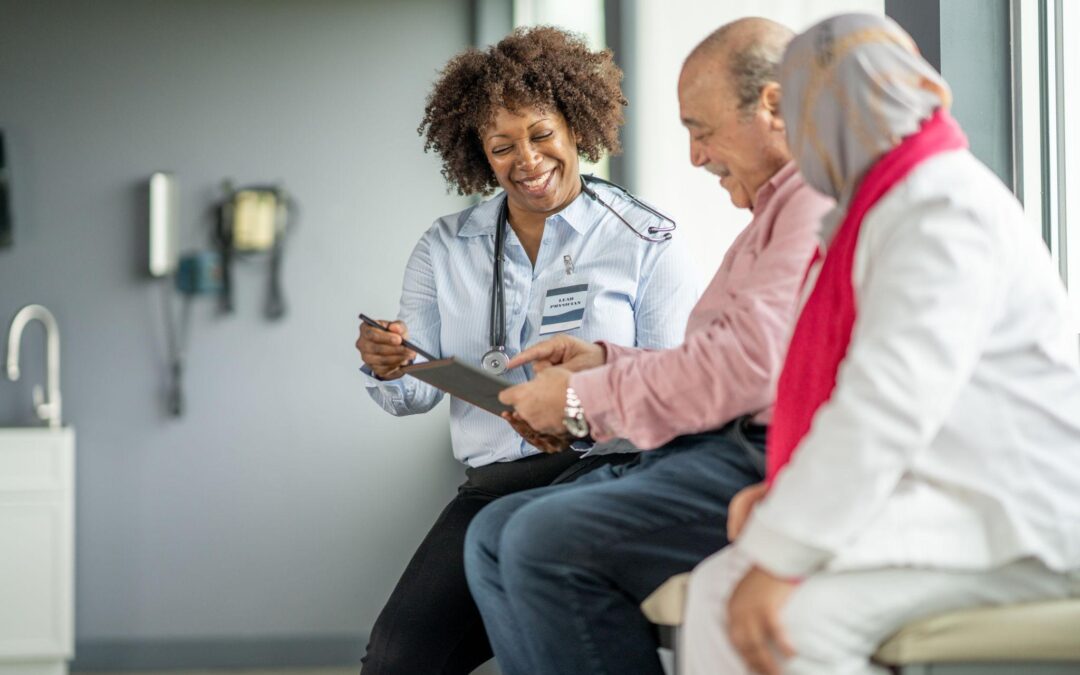
Att använda beteendevetenskap för att stödja COVID-19-diagnos och behandling i högriskgrupper
Av Tracy Epton, University of Manchester, Storbritannien; Lisa Marie Warner, MSB Medical School Berlin, Tyskland; Aleksandra Lazic, oberoende forskare från Belgrad, Serbien Att arbeta med högriskpatienter i samband med COVID-19 kan kännas som att hantera flera samtal…