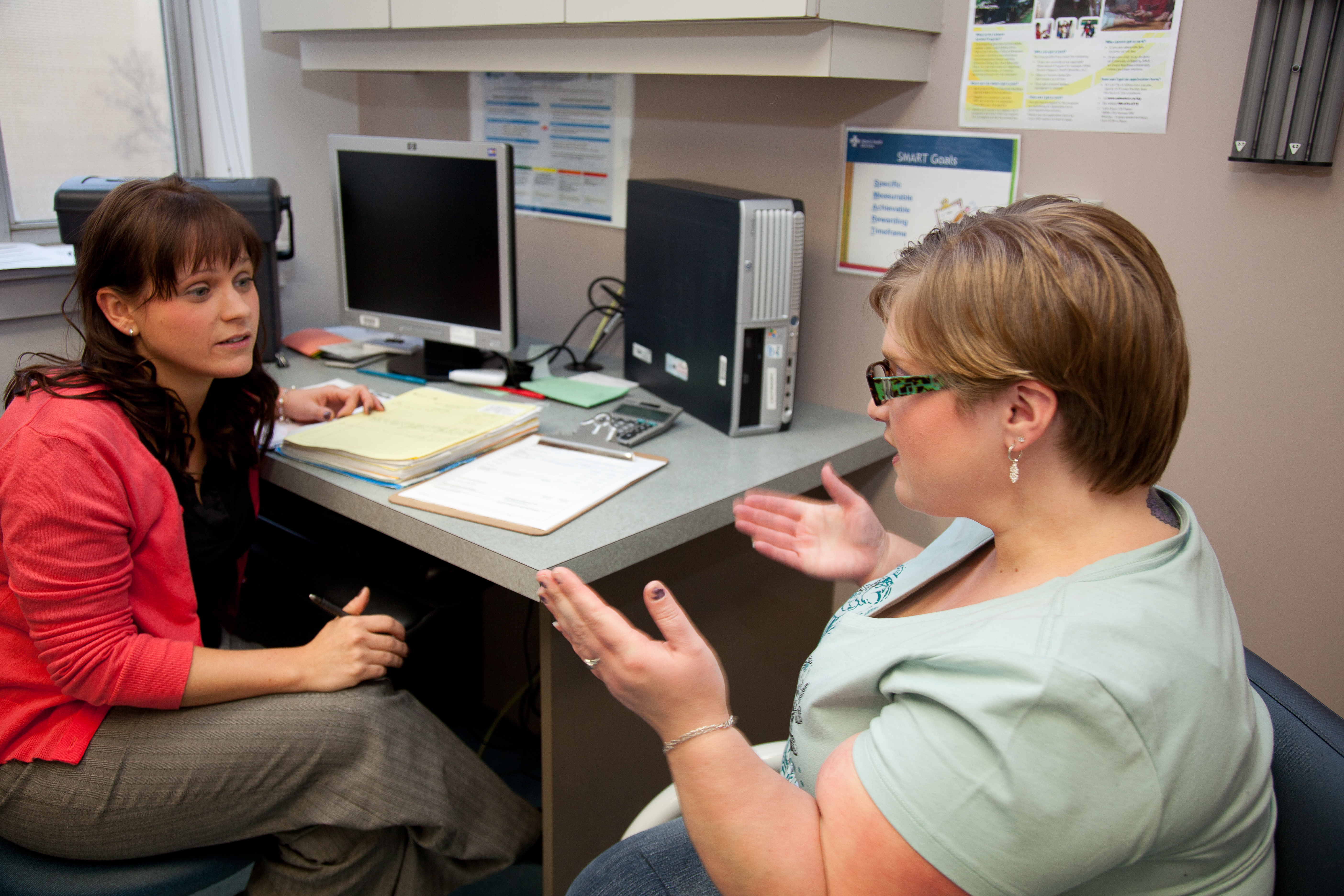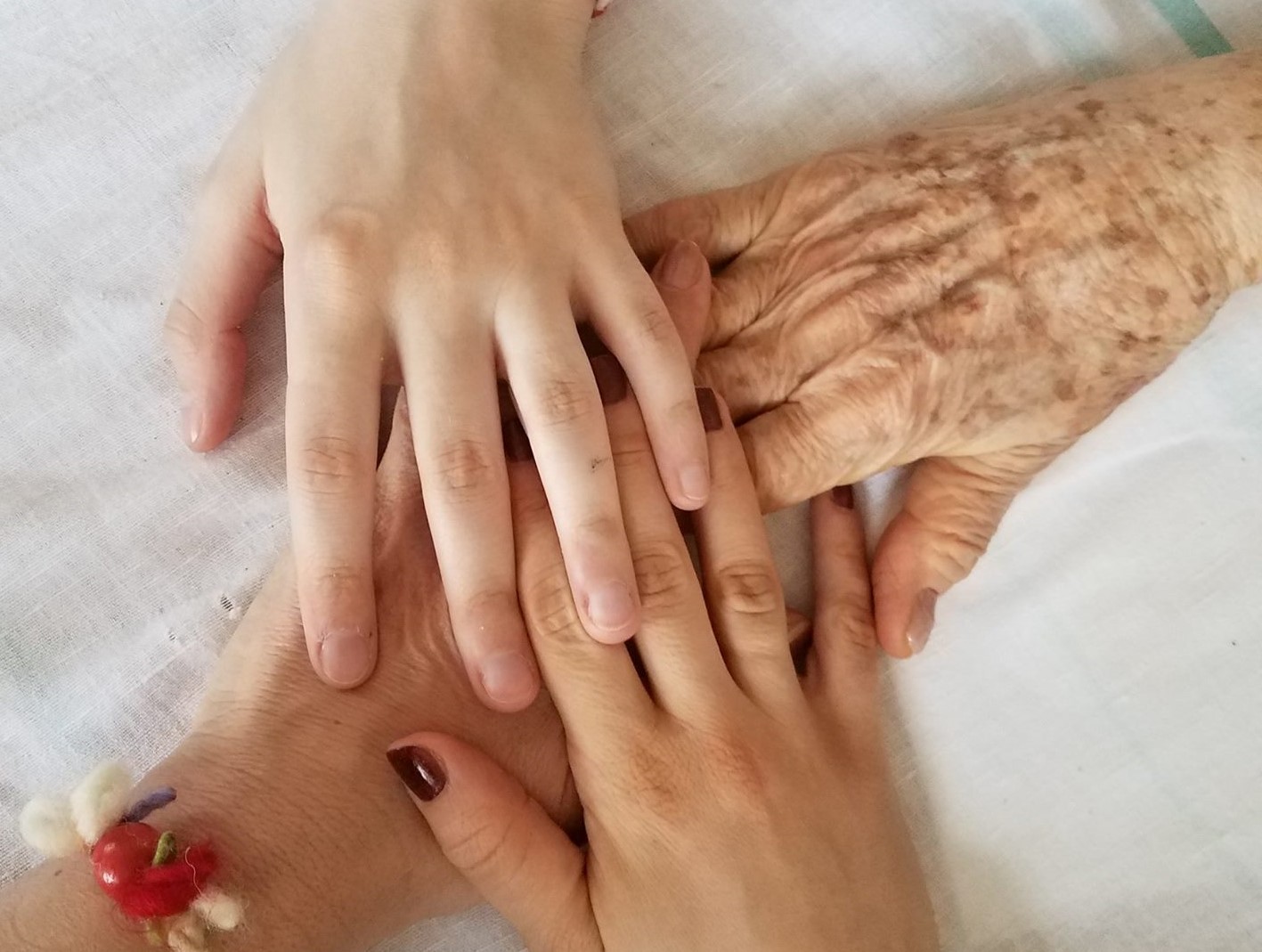

他者をケアすることを語るイリーナ・トドロヴァ(ブルガリア・ソフィア健康心理学研究センター)

By Irina Todorova, Health Psychology Research Center in Sofia, Bulgaria

大切な人が高齢で、しかもフレイル(加齢に伴う虚弱状態)にある場合には、そのケアはやりがいを感じる反面、困難や戸惑いも多く、満足感といら立ちの両方を伴う複雑な経験となります。医学の進歩により、人々はより長く、より健康に生きられるようになり、加齢に伴う認知機能の低下を遅らせることも可能になっています。こうしたなかで、高齢の家族をどのようにケアするか、また老い、認知症、ケアの意味づけは、文化的背景によって異なります。多くの人は地域社会の一員として自宅で老いを重ねていきますが、それは高齢者本人だけでなく、家族のさまざまな世代にとっても心理社会的に良い影響をもたらします。一方で、健康状態が低下している人をケアすることは、身体的負担やストレス、徐々に衰えていくことに伴う悲嘆、さらには経済的困難が伴うことがあります。

ナラティブ健康心理学は、人々が日常を実際に生きて経験していることや、その意味づけを、特にストーリーテリング(物語ること)を通して理解しようとするアプローチです。とりわけ、健康や病気、そしてそれに伴うアイデンティティの変化を理解するために用いられます。物語を通して、人は予期せぬ「人生の連続性の中断」に意味を見出し、過去・現在・未来を結びつけながら、変化した自己や関係性の中に連続性を紡いでいきます。また、ばらばらの出来事を一つの流れのある物語として結びつけることで、人は何が起きたのか、それがどのような意味を持つのか、そして現在の自分が何者であるのかを語ることができます。私たちのケアに関する研究でも示されているように、ナラティブは、ケアを担う人が、大切な人との関係が時間とともにどのように再定義されていくのかを理解し、意味づけることを可能にします。さらにまた、ナラティブ健康心理学は、物語が個人的、社会的、文化的といった複数のレベルにまたがっていることを強調し、そうした違いがどのように健康格差を浮かび上がらせるのかを明らかにします。患者をはじめ、そのケアを担う専門職や家族などの語りは、医療実践や医学教育を含む医学領域において、ますます重視されつつあります。

ケアをする人を支えること:研究者や実践家は、ケアをする人の支援に関心を寄せてきました。そして評価研究により、さまざまな支援策の有効性が示されており、それらは以下のようにまとめられます。
教育とトレーニング ― 加齢や認知症の進行段階や症状に関する理解を深める
社会的支援 ―サポートグループやオンラインでのピア(ケアを担う人同士)による支援、ならびに家族や友人からの支援を得る
休息― 社会的ネットワークや支援組織を利用し、ケアから一時的に離れる機会を提供する
ケア提供者の健康促進行動 ― 身体活動、ストレス対処、趣味活動を通じて自信の健康を維持する

また、ケアの専門職以外のインフォーマルなケア提供者や患者、その家族を支えるための政策を積極的に提言していくことの重要性も忘れてはなりません。例えば、マサチューセッツ州議会では、家族や医療専門職からの意見、そして地域のアルツハイマー協会支部の働きかけを受けて、つい先ごろ「マサチューセッツ州アルツハイマーおよび認知症法」が可決されました。この法律は、医療提供者に対する認知症の診断およびケアに関する研修の充実、診断に関する十分な情報提供の確保、適切な急性期医療の提供、および虐待からの保護を目的としています。

ナラティブを用いた実践:ナラティブの実践は、人間を中心に据えた対話的なものであり、ケアが行われる文化的・構造的文脈の中に根差しています。ケアをする人にとって、ナラティブは、自らの経験の意味づけを助けるだけでなく、「ナラティブ・コンピテンス(物語を理解し応答する力)」を育み、ケア対象者の語る経験や物語に耳を傾け、寄り添う力を高めます。

ケアをする人のウェルビーイングの介入研究に関するメタ分析が到達した一つの結論は、ケア提供者と患者の双方がナラティブに関与する場合に介入の効果が最も高まるという点です。介護施設やナーシングホームでは、「ライフストーリーワーク」や「回想法」といったストーリーテリングのプログラムが導入されている例があります。これらの多くは高齢者に焦点を当てていますが、中にはケアをする家族と語り合う形で行われるものもあります。

ケアは、家族などケアを専門としない人にとって大きな負担となり得ますが、それは疲労や悲嘆を織り交ぜた物語を通して生きられる経験であり、大切な人との関係を深めるものでもあります。ケアをする人が自らの物語を受け入れることを支えることは、新たな意味や生きがいを見出すことにつながる可能性があります。

ナラティブ実践の観点から、実践家が取り入れることのできる、またケアをする人自身も日常のケアの中で生かすことができるヒントを提案します。

実践に役立つヒント
・家族などのケア提供者に対し、ケアの経験や大切な人との関係の変化について語るよう促します。開かれた質問(「〜のときのことを話していただけますか」など)を用い、共感的に聴きます。また、友人と話したり、物語を共有できるピアサポートグループに参加することを勧めてみましょう。
・日記を書くことや、文学や詩を読み、それについて考えを巡らせることを勧めます。こうした物語に向き合い、省察することは、ケアする人が生活の中で起きていることを意味づける手掛かりとなり、さまざまな形で健康にも寄与します。
・ケアをする人の物語は関係性の中で作られるものであることを踏まえて、ケアをする人とされる人が共有してきた過去や現在についてともに語りあう時間を持つことを提案します。写真や思い出の品、メモリーボックスやコラージュなどを用いて記憶を呼び起こし、互いの記憶を結びつける方法も提案するとよいでしょう。
・こうしたストーリーテリングの実践には時間がかかりますし、すべてのケアをする人にしっくりくるとは限りません。そのため、相手の気持ちに配慮しながら、押し付けにならないよう慎重に提案することが大切です。物語はさまざまな感情を呼び起こす可能性があるため、短時間で行うことも検討してください。

Read more

Motivation and the first steps toward physical activity

By Keegan Knittle, University of Helsinki, Finland

Here’s a familiar story from primary care: an individual who would clearly benefit from more physical activity comes into the clinic. We discuss their physical (in)activity, and in the end, the person says they just aren’t motivated to change. What’s a clinician supposed to do? How can we motivate this person to at least consider changing their behavior for the better? Or better yet, how can we help them to form good intentions for being active?

(more…)

Read more

Positive psychology interventions at work

By Alexandra Michel, Federal Institute for Occupational Health and Safety, Germany and Annekatrin Hoppe, Humboldt Universität, Germany

Employees spend a major part of their waking time at work. It is no surprise then that reducing demands and increasing resources (e.g., autonomy, social support, self-efficacy) at work are important in promoting employees’ work-life balance, well-being and health. Over the last years, research has examined not only ways to repair the negative consequences of work stress, but also ways to promote resources to improve employees’ well-being at work. Especially, introducing positive psychology interventions to the workplace is a new avenue in the occupational health psychology field. Positive psychology interventions focus on building resources and preventing resource loss, and include activities that aim to cultivate positive feelings, behaviors and cognitions. In this blog post, we highlight three approaches that can help employees to build their resources and foster well-being at work.

(more…)

Read more

What happens with medications when they go home?

By Kerry Chamberlain, Massey University, Auckland, New Zealand

What do people do with medications once they enter the home? Surprisingly, limited research has attempted to answer that question. Yet, it is important – most medications are consumed at home under the control of the consumer. Prescription medicines are regulated, but once prescribed and collected, they are presumed to be taken as directed. People also can access and use a wide range of over-the-counter medications (e.g., for pain relief), alternative medications (e.g., homeopathic preparations), and other health-related preparations that are less obviously medications (e.g., dietary supplements, probiotic drinks). However, we should note that access to all forms of medication can vary considerably between countries.

(more…)

Read more

How to set goals that work?

By Tracy Epton, University of Manchester, United Kingdom

Goal setting is a popular technique

There are many different techniques that can be used to change behaviour (93 according to a recent list!). Goal setting is a well-known technique that most people have used at some point. Goal setting is used by charities (e.g., Alcohol Concern, a UK charity, asked people to set a goal to quit drinking for the month of January), as part of commercial weight loss programmes and even in fitness apps. One recent review looked at a 384 tests of the effectiveness of goal setting across a range of different fields to see if goal setting really works, which types of goals work best and if goal setting works for everyone.

(more…)

Read more

Self-regulation from theory to practice: supporting your patients’ goals for change

By Stan Maes & Véronique De Gucht, Leiden University, Netherlands

Over the last decades, the role of individuals within the healthcare system has evolved from ‘compliance with medical regimens’, implying obedience; to ‘self-management’, denoting responsibility for the control of one’s own health or disease. This has recently progressed further to the idea of ‘self-regulation’, a systematic process that involves setting personal health-related goals and steering behavior to achieve these goals. To illustrate the continuous self-regulation process, we have chosen the ancient image of an ‘ouroboros’ (i.e., a snake eating its own tail) to accompany this blog post.

(more…)

Read more

Move more, sit less at work: let’s not sit to talk about it

By Stuart Biddle, University of Southern Queensland, Australia

I’m writing this blog on Valentine’s Day! The health promotion charity in Australia, Bluearth, has produced some amusing videos encouraging you to use your chair less by ‘breaking up with your chair’ (liking splitting from your partner, see videos here). So what is the issue here? Essentially, with changes in the way many of us work, we sit too much and this has been shown to be bad for our health. For example, many people will drive to work, sit at a desk most of the day, drive home, and sit in front of the TV or computer for much of the evening. The workplace, therefore, is ripe for health behaviour change. But with such a habitual behaviour like sitting, strong social norms, as well as environmental designs that encourage less movement alongside comfortable and rewarding sitting, how can we change anything?

(more…)

Read more

Willpower versus Unhealthy Temptations – Spoiler Alert – Willpower Usually Loses

By Amanda Rebar, Central Queensland University, Australia

It will come as no surprise that evidence shows people do not always behave in ways that are best for their long-term health. For example, most people are aware that exercise is good for their physical and mental health, but comparatively far fewer people exercise regularly. When a person makes an intention to start exercising, there is only about a 50% chance that they will actually follow through with that. Those are the same odds as a coin flip! Did you ever give much thought to why it is that despite people’s best intentions, they indulge in unhealthy behaviour? There is a perspective growing in credence and popularity amongst health psychology science about how people’s behaviour is influenced by two systems. These dual process models provide a refreshing viewpoint for how to help people live healthy lifestyles without it requiring a constant battle of willpower versus unhealthy temptations.

(more…)

Read more

Planning theory- and evidence-based behavior change interventions: Intervention Mapping

By Gerjo Kok, Maastricht University, the Netherlands; University of Texas at Houston, USA

A wide range of campaigns and interventions to improve public health and change health behaviors currently exists, but many of these are not “theory- and evidence-based”. This post will briefly describe the processes health psychologists undertake when developing interventions, and highlight how these differ from (and improve upon) similar processes commonly undertaken elsewhere.
(more…)

Read more